The answer lies in the revolutionary vision of Andrea Palladio (1508–1580). More than an architect, Palladio was a thinker. A humanist. A careful observer of ancient Rome who transformed classical principles into a new, rational, luminous architectural language. He did not simply imitate antiquity — he understood it, measured it, and reinterpreted it for the needs of his own time.
In Vicenza, his genius found its most complete and harmonious expression.
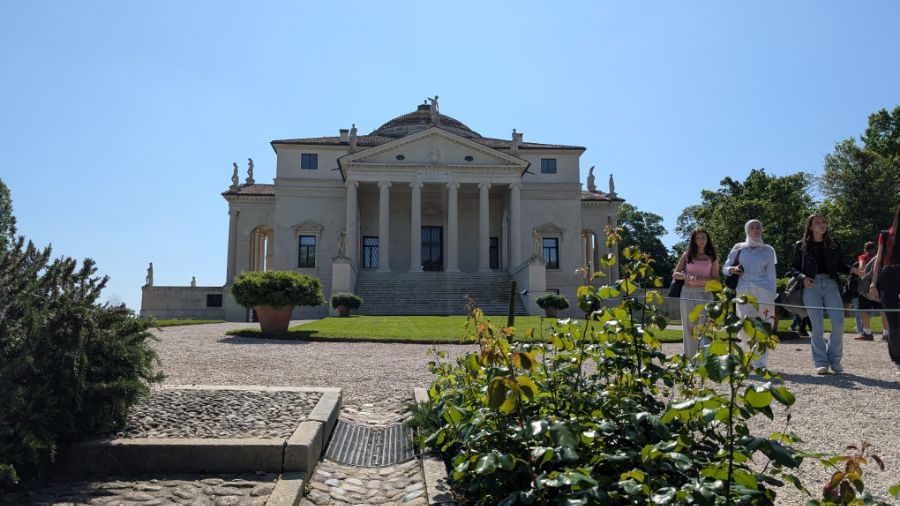
During the 16th century, Palladio reshaped the appearance — and the identity — of the city. Noble families entrusted him with their palaces. Civic authorities sought his vision for public buildings. What emerged was a coherent architectural dialogue that still defines Vicenza today.
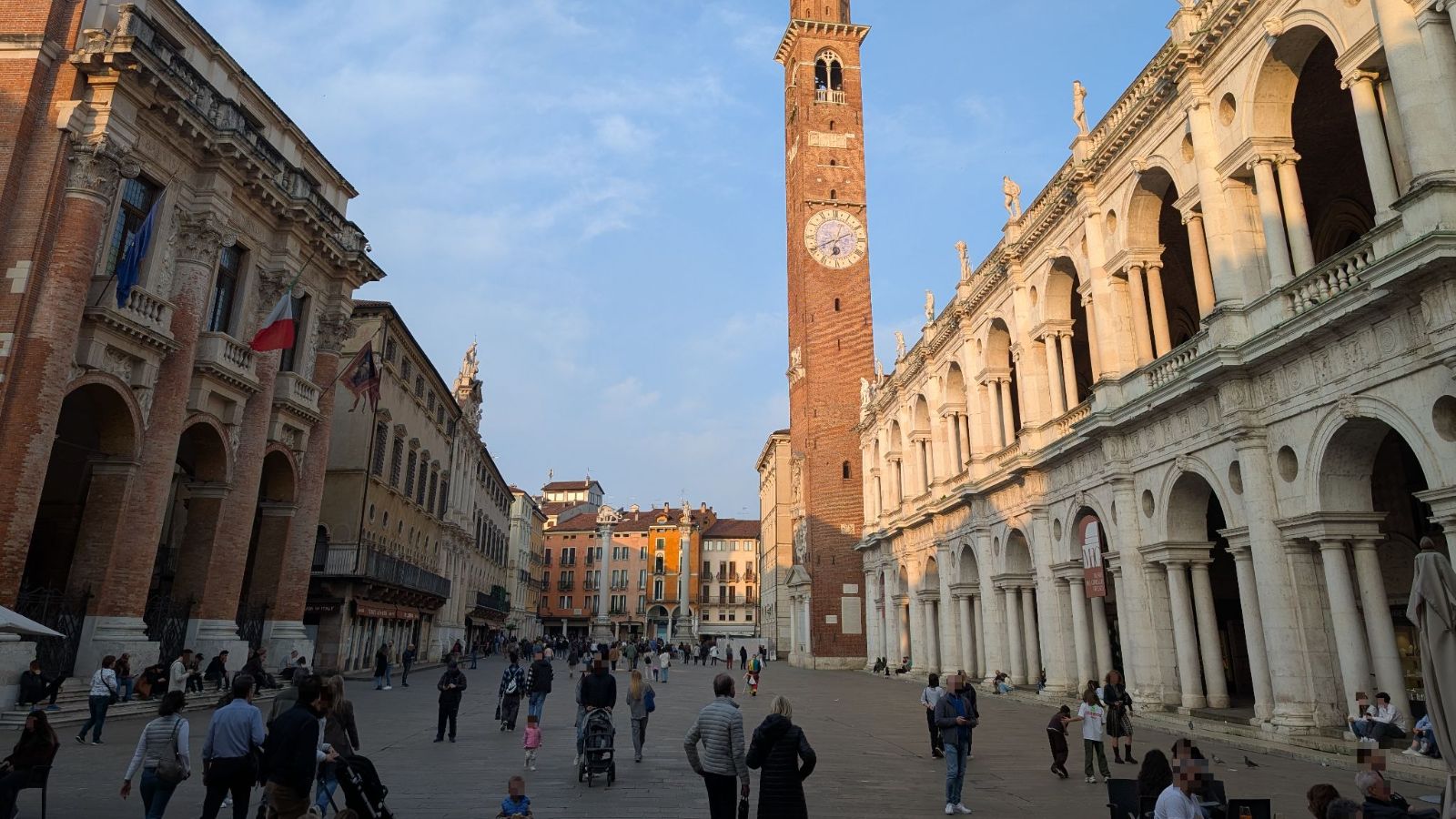
Within the historic center, twenty-three buildings designed by Palladio remain perfectly integrated into the urban fabric.
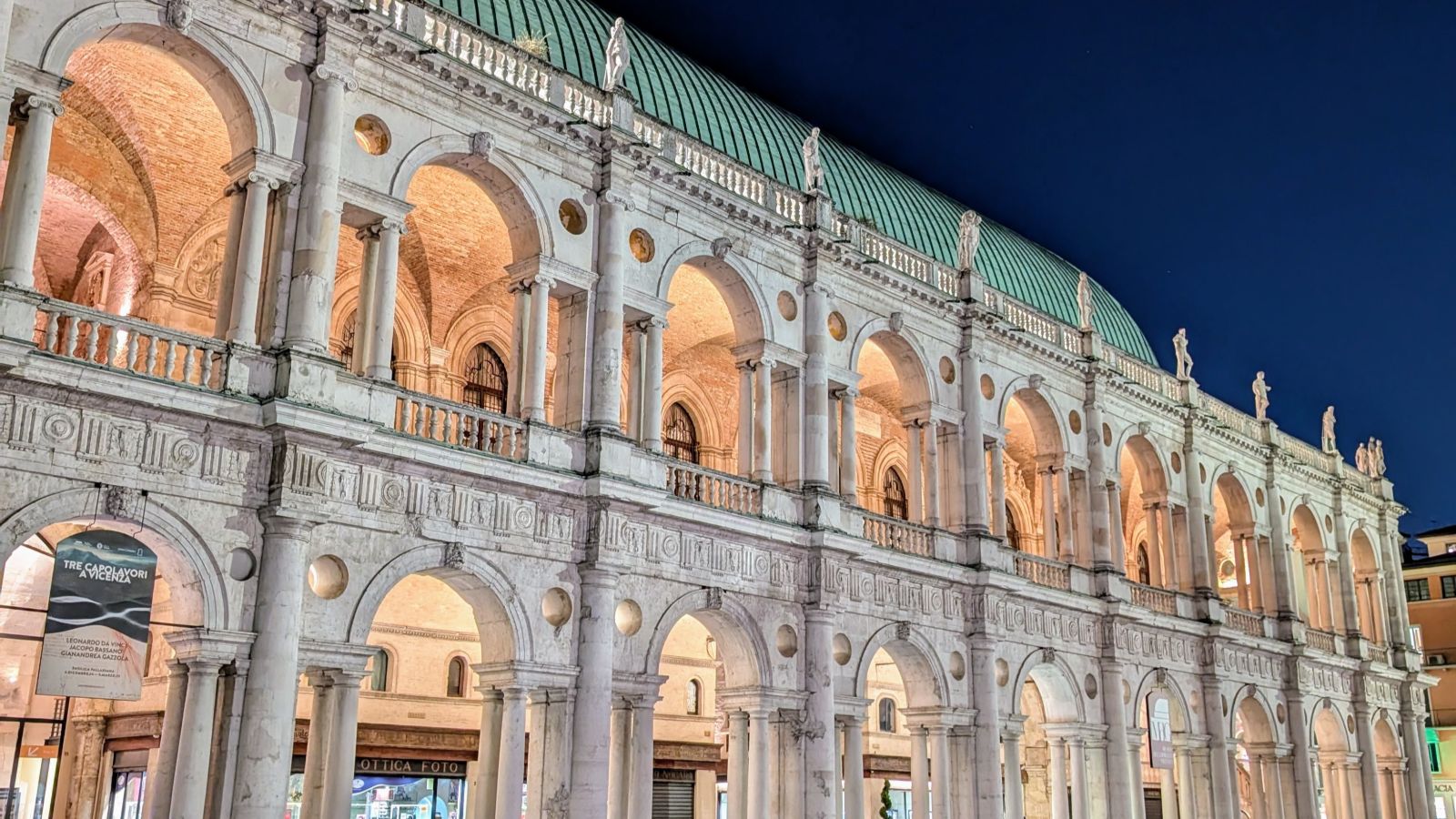
The majestic Basilica Palladiana transforms the medieval heart of the city into a Renaissance statement of balance and proportion. The refined palaces along the main streets reflect social ambition expressed through architectural harmony. The Teatro Olimpico reveals Palladio’s final, visionary understanding of classical space.
UNESCO recognized Vicenza as “a unique artistic achievement” precisely because the city itself became a unified Renaissance vision — where private ambition, civic pride, and intellectual rigor merged into one extraordinary urban masterpiece.
Walking here is not a simple visit.
It is an immersion into an idea of beauty based on proportion, clarity, and human dignity.